Table of Content
- 62% of millennials reported higher stress levels while working remotely during Covid.
- Education
- Reports & StudiesGet the best reports to understand your industry
- Teleworking and Education
- Special focus: Technology resources
- What Percentage Of Workers Can Realistically Work From Home? New Data From Norway Offer Clues
- States with the biggest decreases in work-from-home employees
The response to COVID-19 has demonstrated that hybrid work models are not necessarily an impediment to productivity. For this reason, there is a general consensus that different remote work models will persist post-COVID-19. Many employers see benefits to flexible working arrangements, including positive results on employee wellness surveys, and potentially reducing office space. Many employees also plan on working from home more often, with 25 percent of respondents to a recent survey expecting remote work as a benefit of employment.

But a majority (67%) of remote workers report increased productivity. Of which, 30% say they complete more work in less time, while 24% say they do more work in the same period due to fewer distractions. Six-in-ten of these workers say a major reason why they rarely or never work from home is that they prefer working at their workplace. An additional 19% say this is a minor reason why they don’t work from home more often, and 21% say this is not a reason. A similar share (61%) say a major reason why they rarely or never work from home is that they feel more productive at their workplace.
62% of millennials reported higher stress levels while working remotely during Covid.
In a recent Citrix-One-Poll study of 10,000 global employees, 69% of respondents report that they are more focused and productive when working from home than they are in the office. According to a report by the Pew Research Center based on data from the Bureau of Labor Statistics’ most recent National Compensation survey, only 7% of workers in the U.S. had access to a “flexible workplace” benefit or telework. 62% of remote workers want employers to provide better technology that helps them stay connected with their colleagues. To enable remote work, employees rely on a remote work arrangements that enable hybrid work and make it safe during the COVID-19 pandemic.
Most workers who are not exclusively working from home (77%) say they are at least somewhat satisfied with the measures their workplace has put in place to protect them from coronavirus exposure, but just 36% say they areverysatisfied. These assessments vary considerably by race and ethnicity, income and age. Relatively few (21%) say not having the space or resources at home to work effectively is a major reason why they rarely or never work from home; 23% say this is a minor reason and 55% say it’s not a reason. There arekey demographic differencesbetween workers whose jobs can and cannot be done from home. Among those who say the responsibilities of their job can mainly be done from home, some groups are teleworking more frequently than others. References to workers or employed adults include those who are employed part time or full time and who have only one job or who have more than one job but consider one of them to be their primary job.
Education
This same report found that only 36% of people believe the office is best suited for individual work. Fully 86% of workers who are not working exclusively from home – either by choice or because they can’t work remotely – say they have at least some in-person interactions with other people at their workplace. Among these workers, 52% say they are at least somewhat concerned about being exposed to the coronavirus from the people they interact with at work, including 20% who areveryconcerned. A similar share (48%) say they are either not too or not at all concerned. Most U.S. workers (60%)don’thave jobs that can be done from home, and others who do have these types of jobs are going into their workplace at least sometimes. For a large majority of these workers, their jobs continue to involve at least some in-person interaction with others at their workplace.

The same report also indicates that 52% of younger managers ranked future workplace planning as their top priority, 3x more than older age groups. Furthermore, younger generation managers are 3x more likely to involve freelancers and remote workers than Baby Boomers. Other top challenges of remote workers include not being able to unplug (18%), distractions at home (12%), different timezones (10%), staying motivated (7%). Plus, 3% of remote workers say they do not have a reliable internet connection, and it is their biggest challenge. Of the 36% of remote workers of all age groups who worked in a home office, 54% are baby boomers (57 – 75 years old).
Reports & StudiesGet the best reports to understand your industry
Yet only 47% of organizations are considering any allowances and reimbursement policies for remote employees. However, given that 57% of companies globally are planning to upgrade their conference rooms to support hybrid video meetings by the end of this year — the new environments will overcome the challenges of hybrid arrangements. 53% of American workers say Coronavirus has impacted their mental health negatively. Nevertheless, when it comes to working from home, 74% say working from home is better for their mental health. Likewise, 82% of people who work remotely 25% of the time want to work more; on the other hand, only 2% of the people who work remotely 25% of the time want to work remotely less often. Meaning people who work remotely less want to work from home more often.
Since the first quarter of 2020 remote work trends and expectations have changed. Employers weren’t prepared for their entire workforce to work from home but thanks to technology and innovation it’s working out well for many employers. Of those residents of London who did some work at home, 91.6% cited the coronavirus (COVID-19) pandemic as their main reason for doing so. Conversely, the North East (76.6%) and the South West (79.1%) were the two regions where respondents were least likely to cite the coronavirus pandemic as the main reason for homeworking. For those new to working from home, the pandemic-related shift to telework has changed some things while leaving others relatively the same.
Teleworking and Education
Finder.com is an independent comparison platform and information service that aims to provide you with the tools you need to make better decisions. While we are independent, the offers that appear on this site are from companies from which finder.com receives compensation. We may receive compensation from our partners for placement of their products or services. We may also receive compensation if you click on certain links posted on our site.

Mercer, an HR and workplace benefits consulting firm surveyed800 employers.94% of these employersstated the work productivity was the same or higher since employees started working from home. Ethnic minorities were slightly more likely to cite the coronavirus (COVID-19) pandemic as the main reason for working from home compared with white people (87.3% and 85.8% respectively). Those aged 16 to 34 years were more likely to cite the coronavirus (COVID-19) pandemic as the main reason for homeworking (95.2%), whereas those aged 50 years and over were less likely (76.1%).
As a result, it is of utmost importance to acknowledge any issues that may arise in this context to empower a hybrid workforce and ensure a smooth transition to more flexible work models. Before the coronavirus (COVID-19) pandemic, 17 percent of U.S. employees worked from home 5 days or more per week, a share that increased to 44 percent during the pandemic. The outbreak of the COVID-19 pandemic accelerated the remote working trend, as quarantines and lockdowns made commuting and working in an office close to impossible for millions around the world. Currently, collaboration tools emphasize the role modern technologies play in enabling different remote work concepts. Collaboration software became an essential pillar in supporting remote and hybrid workforce environments, by enabling new communication channels and improving team cohesion.
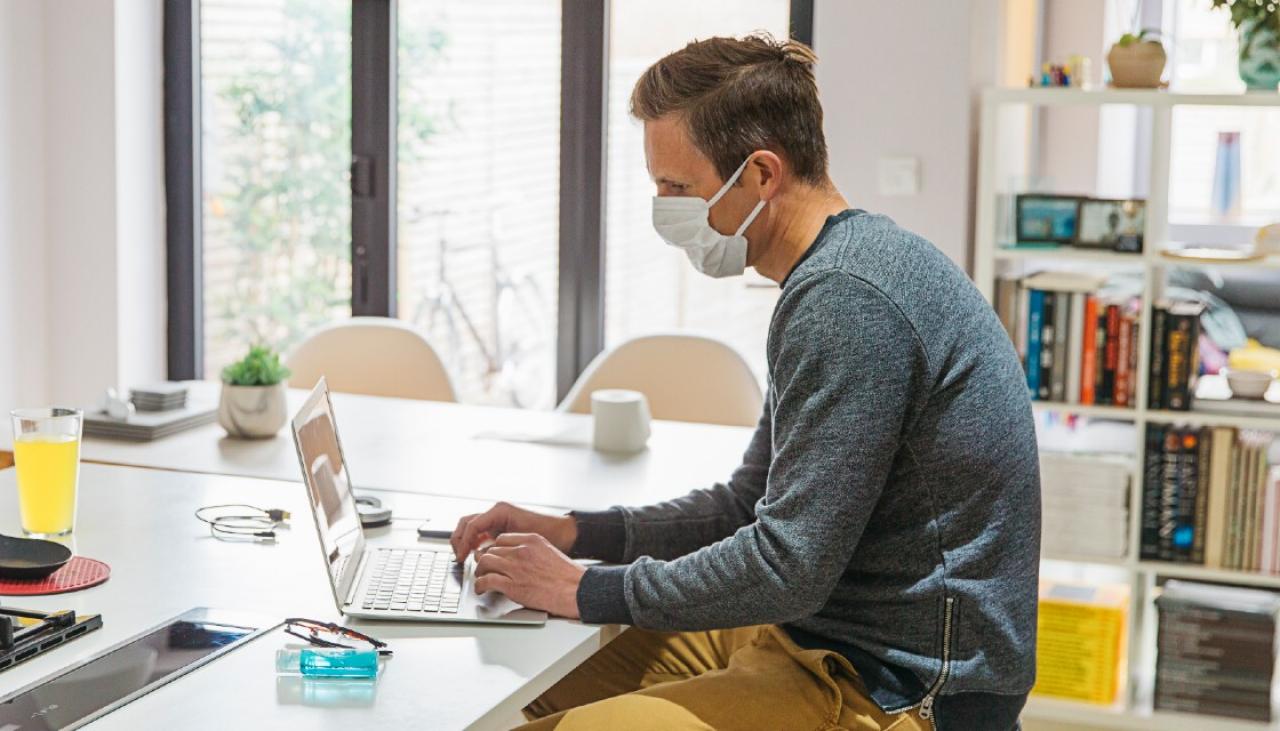
And only 44% of companies didn’t allow the employees to work remotely. According to a study conducted by owl labs 16 of the companies are in global remote areas. About 62 of 22 to 65-year-olds have claimed to work remotely at least occasionally. In addition this study found that 44 of the companies do not permit remote work of any kind.
Technology supporting remote work including laptops saw a surge in demand, video conferencing companies such as Zoom jumped in value, and employers had to consider new communication techniques and resources. The same report indicated that about 82% of remote workers sleep late than their usual time, and only 36% claim sleep satisfaction. However, on a positive note, 63% of remote workers — despite going to bed late — are more productive than usual (which matches the Owl Lab’s stats on remote worker productivity).
Which is a 417% increase from pre-pandemic levels, where there were only 7 million people working remotely. 40% of workers believe that they’ve been more productive while working at home during the pandemic, as opposed to the office. More than half of employees want to keep working remotely even after the COVID-19 pandemic ends and it is safe to return to the offices. 99% of people say they’d like to work remotely at least some of the time for the rest of their careers, as reported by ResumeLab. Londoners save the most by working from home, with an average of £57.78 per week being pocketed – a possible reflection of the capital’s high commuting costs. The second biggest savers are in Wales, where those working from home are saving £50.16 per week.
Nearly two years into theCOVID-19 pandemic, roughly six-in-ten U.S. workers who say their jobs can mainly be done from home (59%) are working from home all or most of the time. The vast majority of these workers (83%) say they were working from home even before theomicron variantstarted to spread in the United States, according to a new Pew Research Center survey. Plus, both managers and employees agree that productivity has increased. 32.2% of managers believe productivity has increased after the 2020 remote work shift, and a massive 94% of employees report feeling like their work productivity is the same or higher than before they worked remotely. This is still small compared to the 44% of companies that don’t allow remote work.


No comments:
Post a Comment